On This Page
- What Is A Tile Roof Re-Felt?
- Why This Agoura Hills Roof Kept Leaking
- What We Found Under The Tile
- Why Does Agoura Hills Need A Fire-Rated Underlayment Under Tile?
- Reusing The Original Tile, And Where The New Tile Went
- Re-Felt Or Full Tile Replacement?
- Have A Tile Roof That Keeps Leaking?
- More Project Photos
- Roofing Terms
The Problem
Leaks that kept coming back. Years of small repairs hadn't fixed them, so the owners chose to redo the whole roof.
What We Did
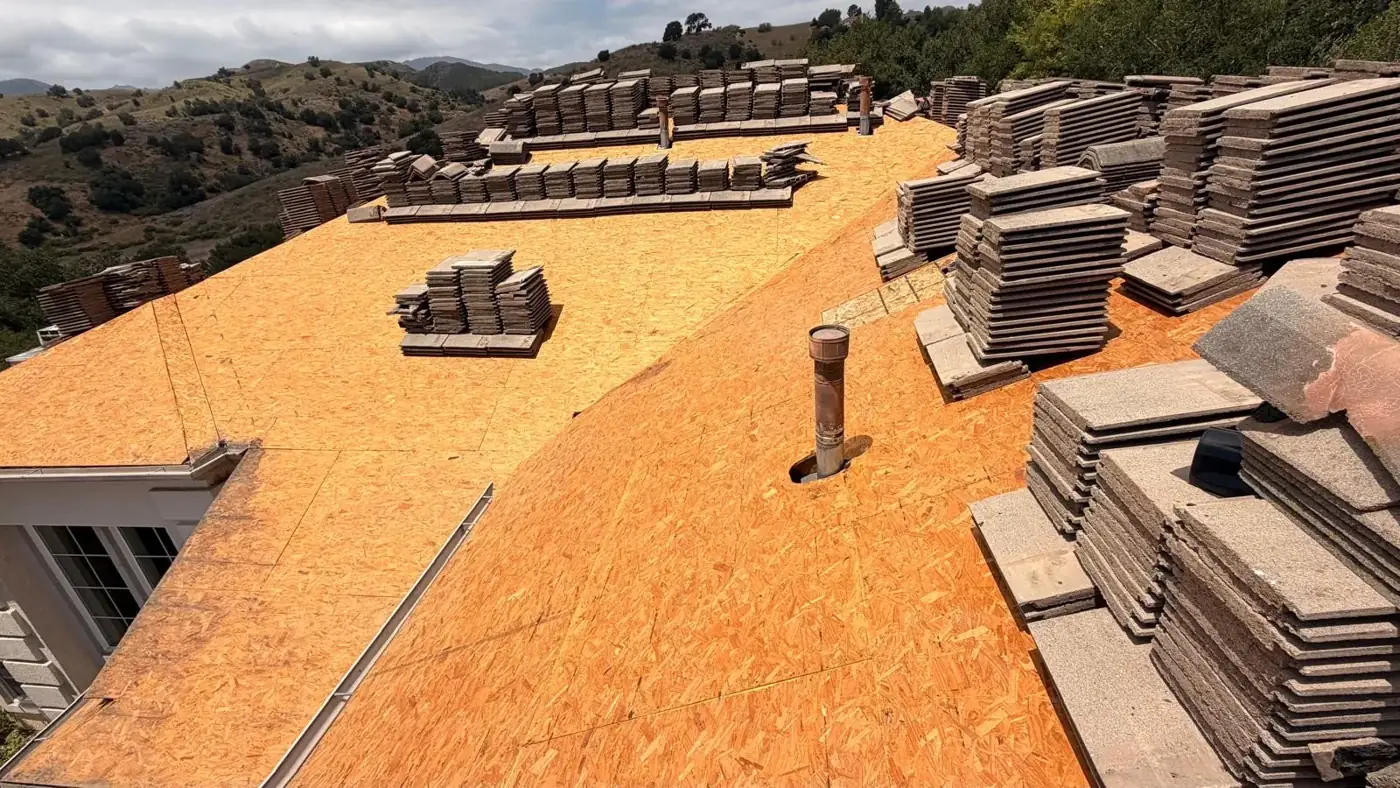
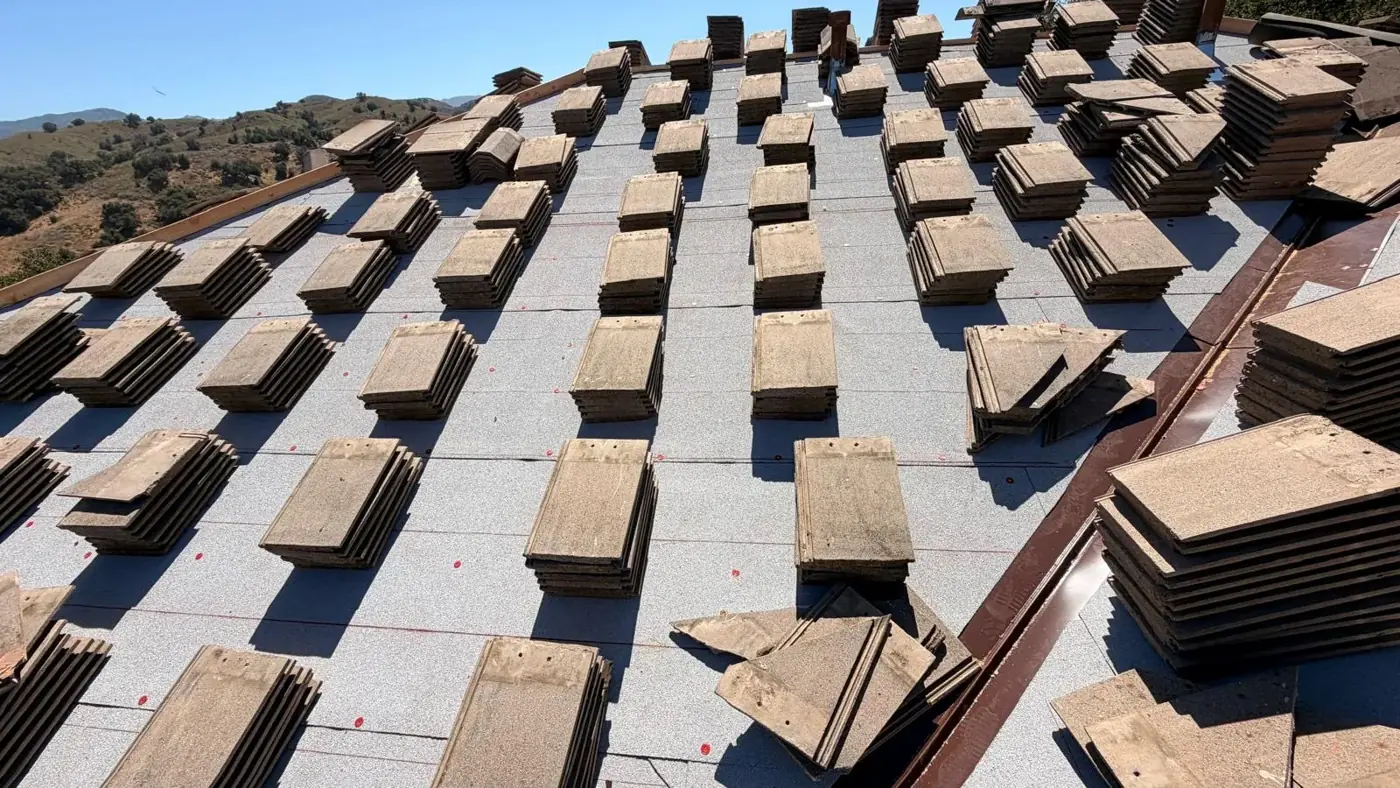
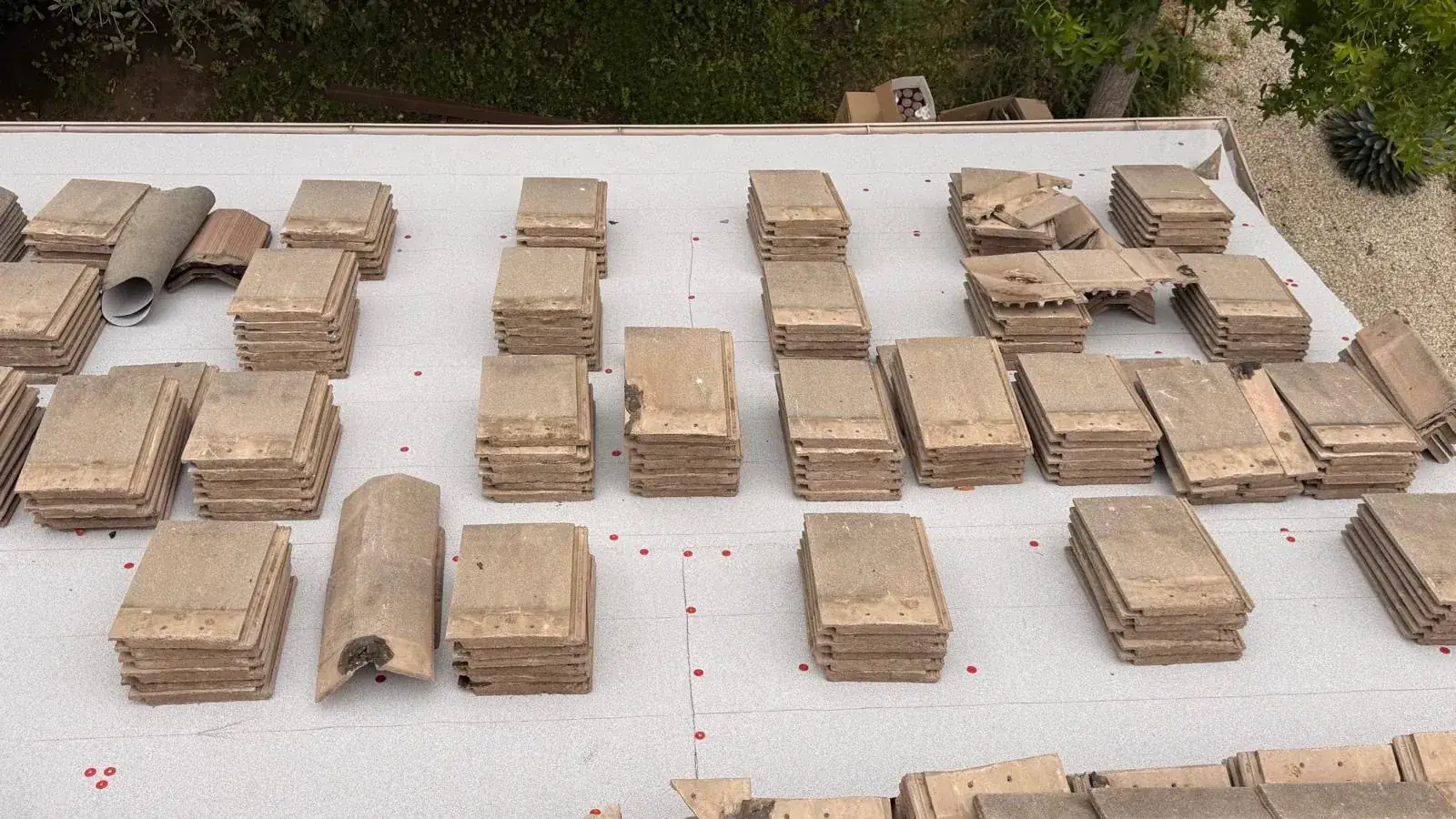
We took off the tiles and saved them, replaced a few damaged sheets of the wood underneath, and added a new fire-safe waterproof layer (Malarkey 350 Paragon CHROMA Cap). Then we put the original tiles back. New tiles went only on the back and sides.
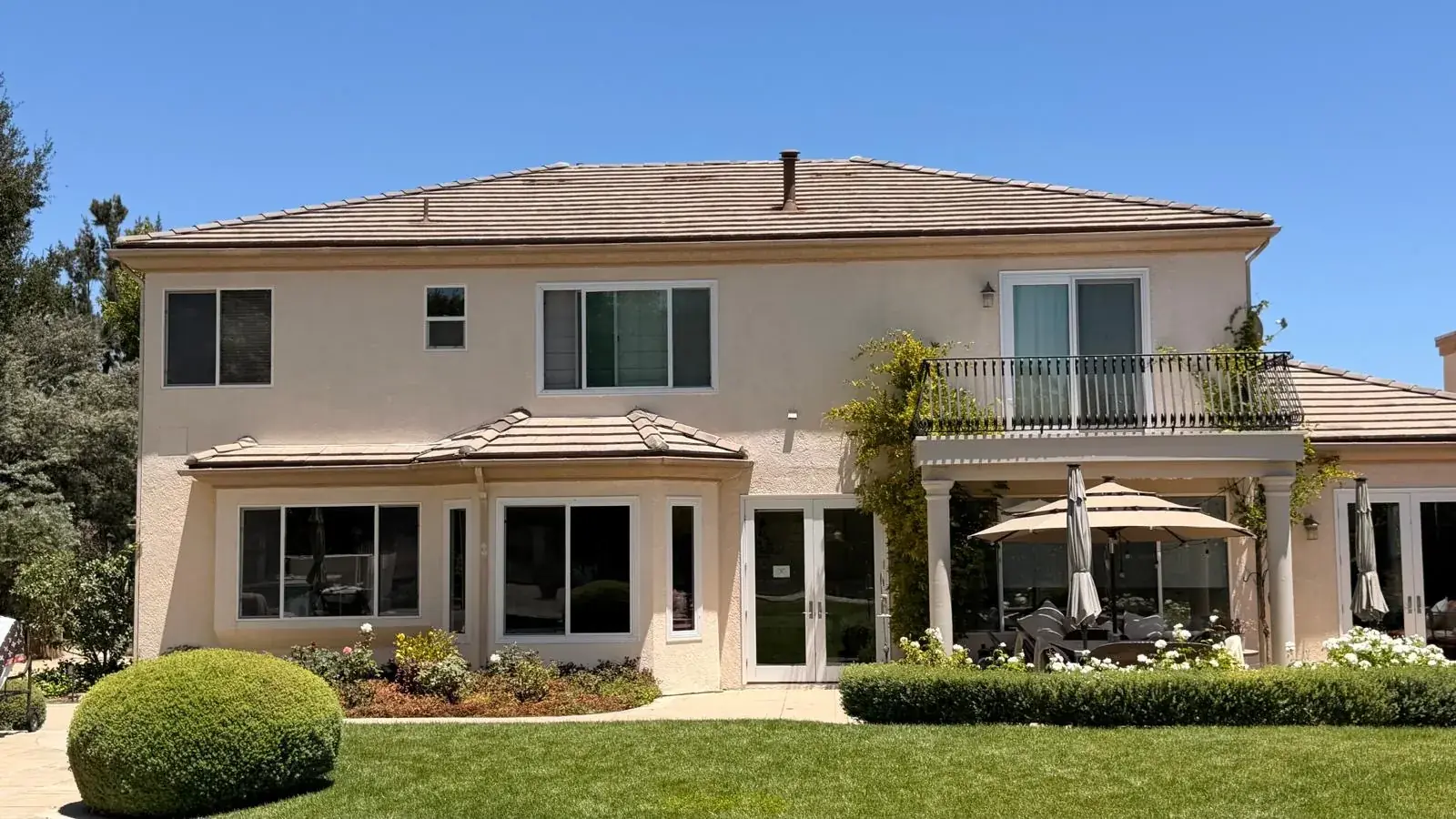
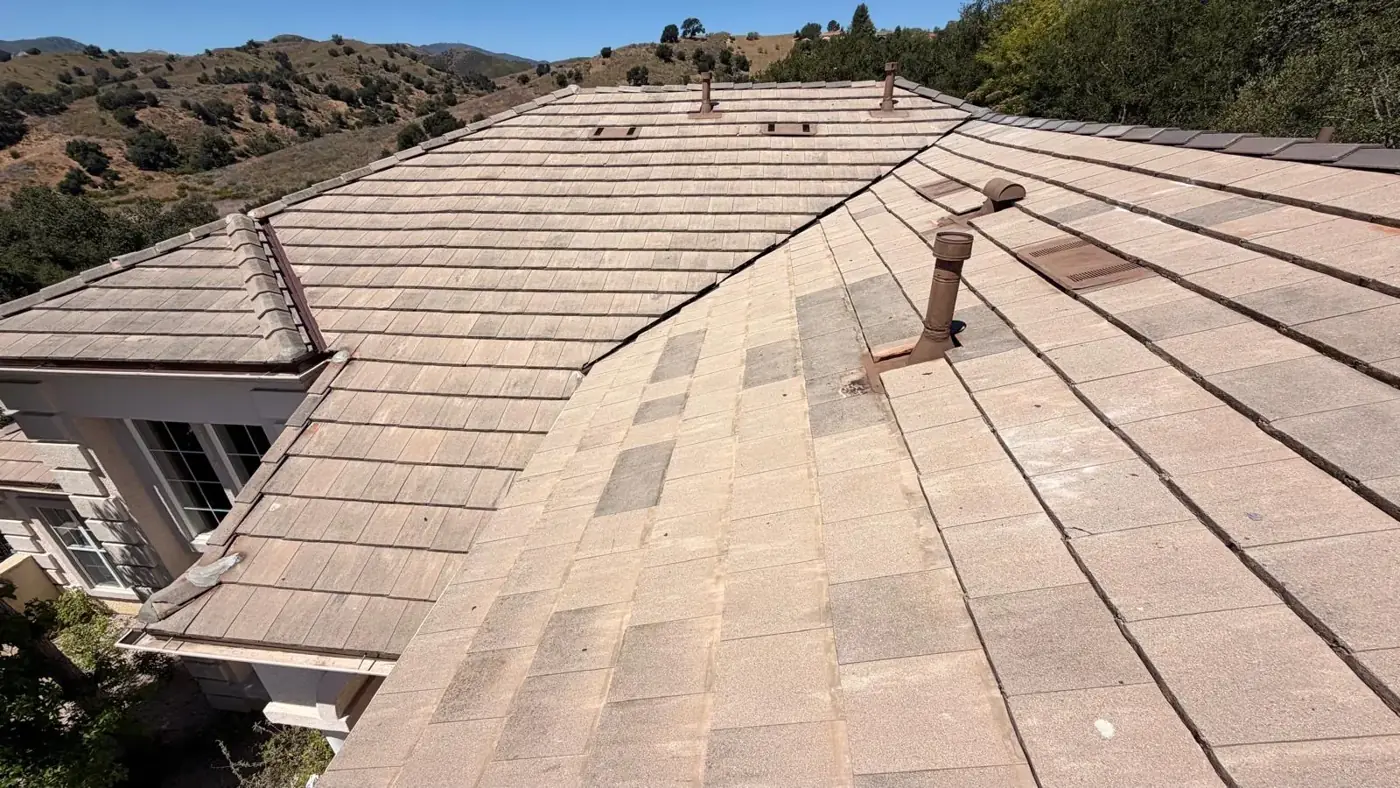
This two-story Agoura Hills home had a concrete tile roof that kept leaking, even after years of small repairs. So the owners decided to fix the cause: a tile roof underlayment replacement, which roofers call a re-felt. We lifted the tiles, fixed the wood underneath, added a fire-safe waterproof layer and put the original tiles back.
What Is A Tile Roof Re-Felt?
A tile roof re-felt means taking the tiles off, replacing the worn waterproof layer under them, and putting the same tiles back. Concrete tiles last a very long time. The waterproof layer under them, called underlayment, doesn't. On most leaking tile roofs, that hidden layer is what failed.
Tiles shed most of the rain, but some always gets past them. Wind pushes it under, or it sneaks in around vents. The underlayment is what keeps that water out of the house. Once it dries out and cracks, fixing one spot at a time just moves the leak around.
Why This Agoura Hills Roof Kept Leaking
The owners had fixed leaks as they showed up for years. That makes sense on a roof that's mostly in good shape. Here, the leaks kept coming back.
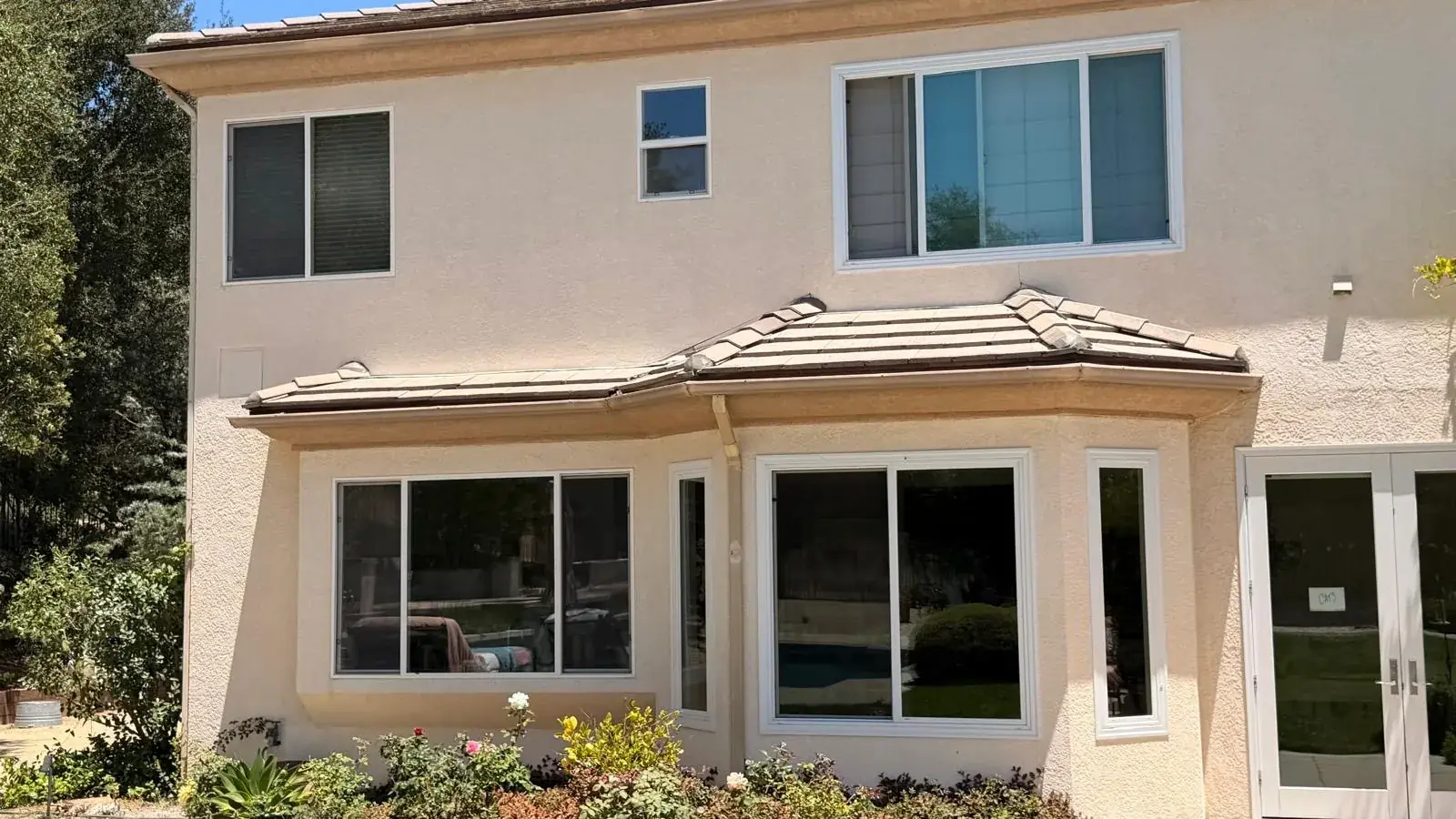
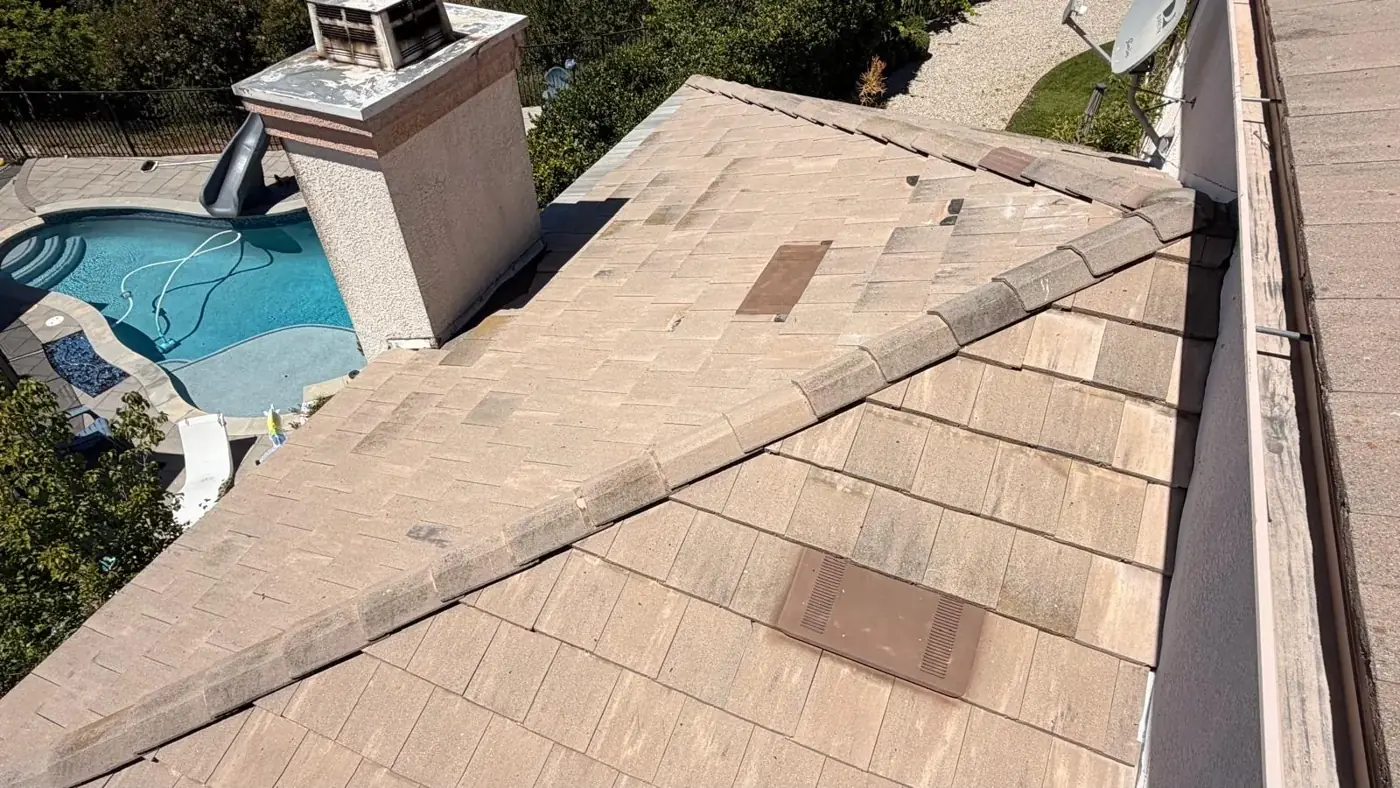
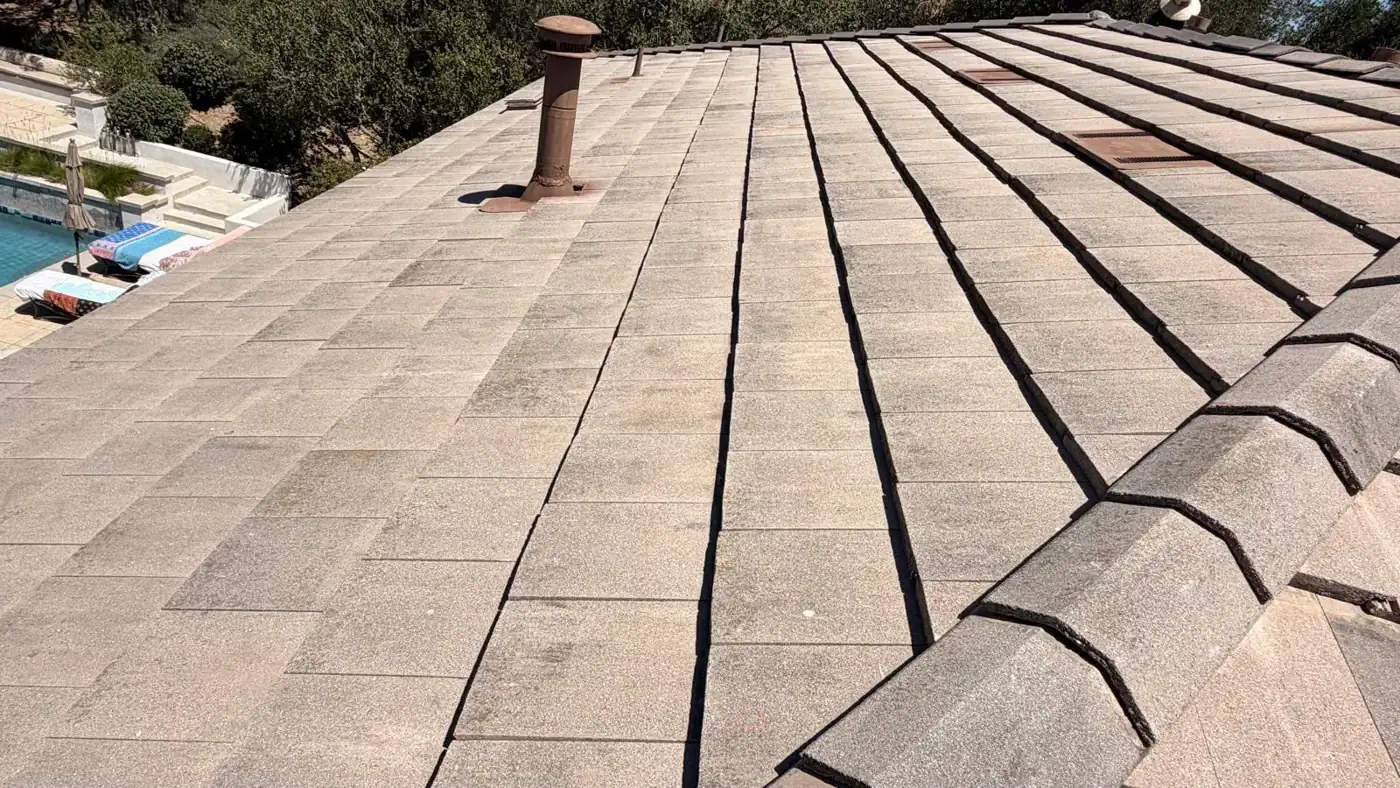
A big two-story roof has lots of places for water to sneak in. There are slopes, peaks, valleys (the inside corners where rain collects), vents, a chimney and low roofs over the bay windows. When the underlayment is worn out everywhere, fixing one spot just sends the next drip somewhere else. So the owners asked us to redo the whole roof instead.
What We Found Under The Tile
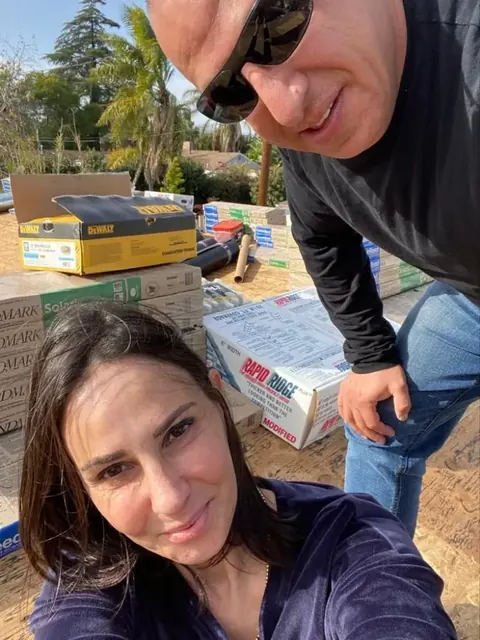
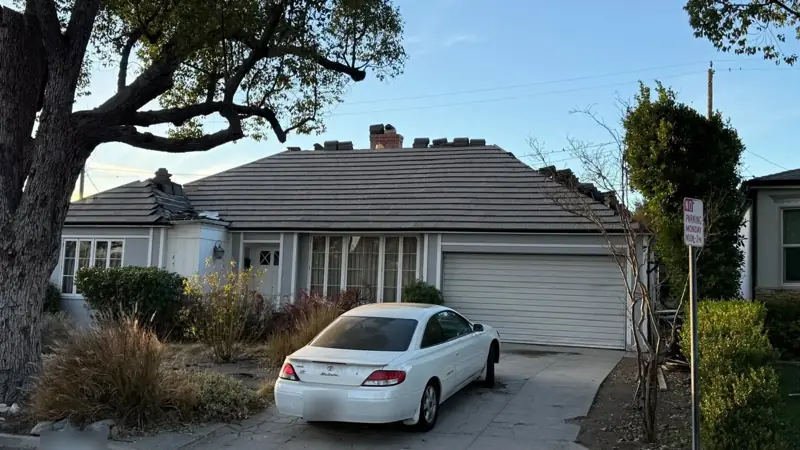
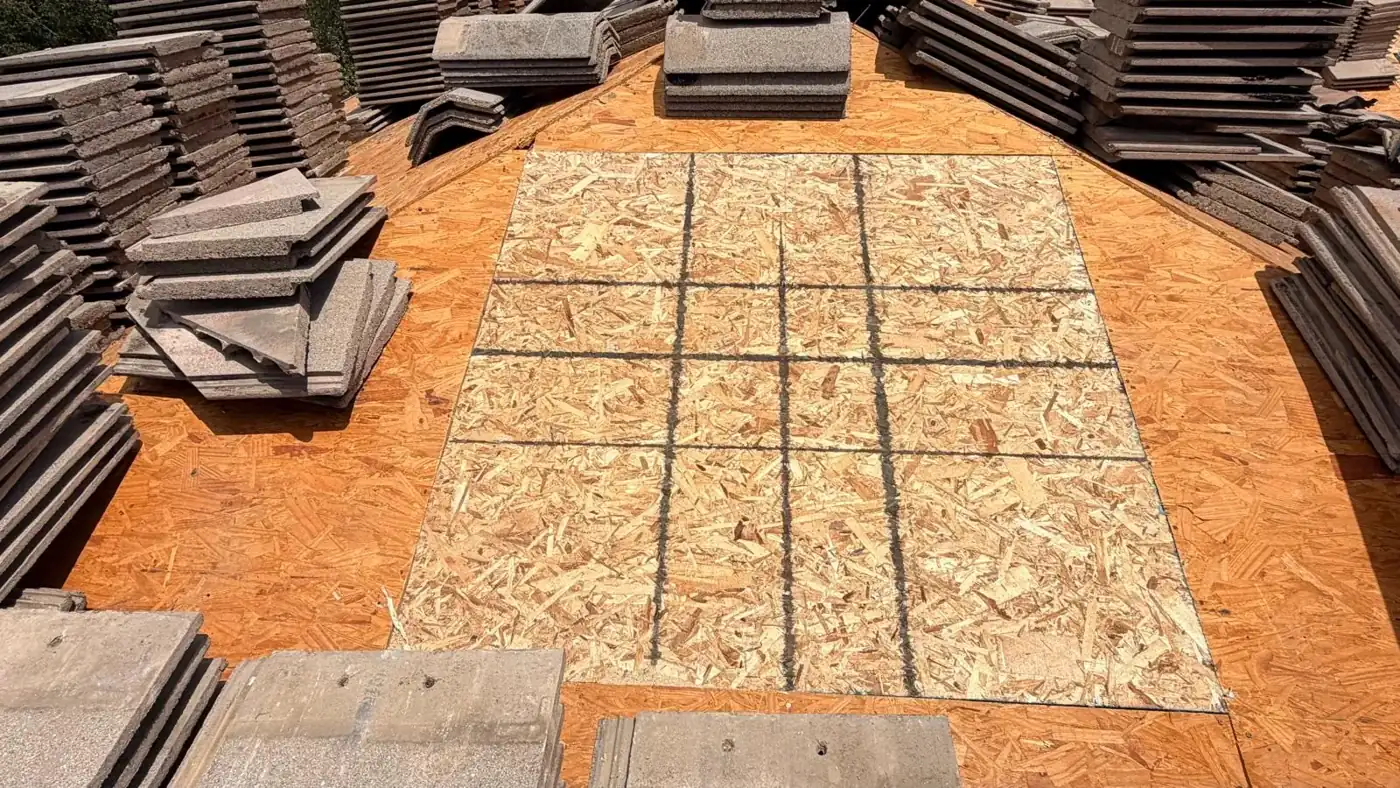
With the tiles stacked up and the old layer torn off, we could see the wood underneath. This wood base is called the roof deck. Most of it was in good shape, but a couple of sheets were damaged. We replaced those first, because a new waterproof layer on soft wood just moves the problem.
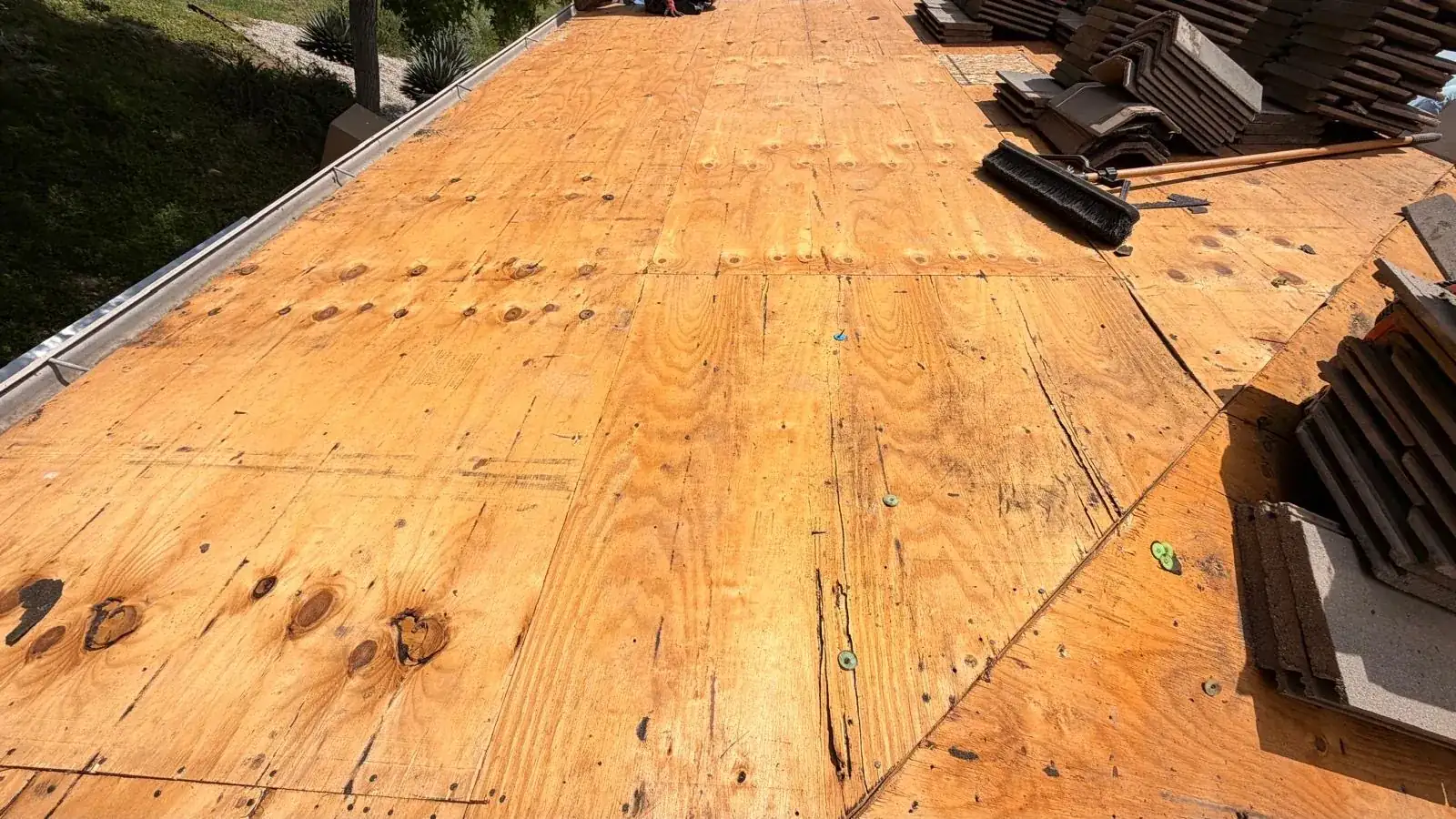
Why we check the deck every time
You can't see the roof deck from the ground or the attic once the tiles are on. A re-felt is your one chance to fix it without tearing off the whole roof later.
Why Does Agoura Hills Need A Fire-Rated Underlayment Under Tile?
Because most of the city is a high wildfire-risk area. The city's 2026 wildfire plan puts 77.7% of Agoura Hills in a Very High Fire Hazard Severity Zone. That's California's top wildfire-risk rating, and it comes with stricter building rules. The same plan says nearly all homes there were built before today's wildfire building code.
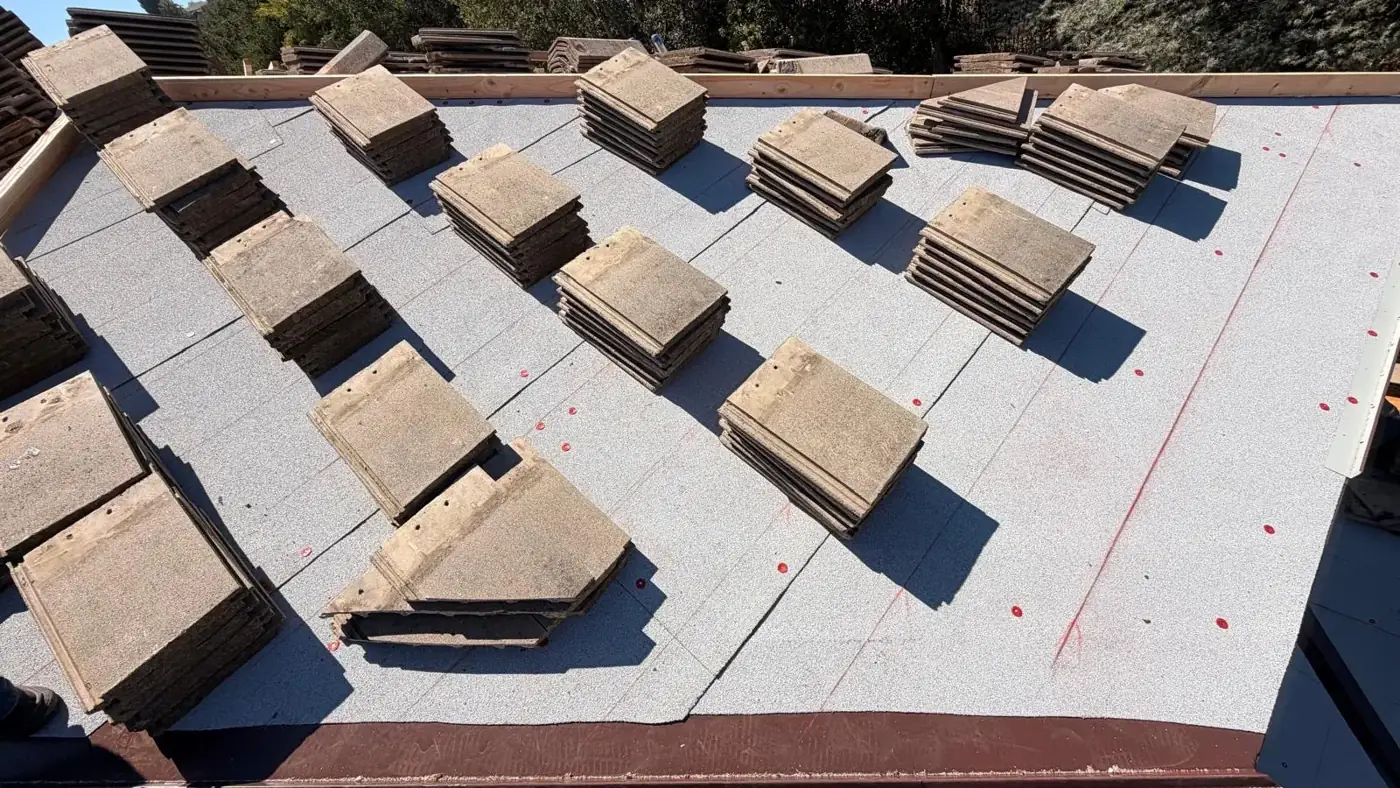
Tile roofs have a weak spot in a fire: the gap between the tiles and the wood. Wind can blow embers into it. Fire-zone rules deal with this by putting a heavy, fire-resistant sheet over the wood, called a cap sheet. LA County's fire-zone building checklist calls for this kind of sheet under the roof.
For this job we used Malarkey 350 Paragon CHROMA Cap, the cap sheet Agoura Hills requires under tile in its high-risk areas. Malarkey says it has a Class A fire rating, the highest a roof can get. It also says it meets California's rules for fire-safe layers under tile. Rules can change and vary by address, so check with the city's building department or your roofer before a tile job.
Not sure what your address requires under tile?
Fire-zone rules depend on where your house sits. We'll check what applies to your address and what's under your tile during the estimate. Book a free estimate or call (818) 518-6888.
Reusing The Original Tile, And Where The New Tile Went
Old concrete tiles fade to a color you can't buy new. If you mix new tiles into the front of the house, they stand out for years.
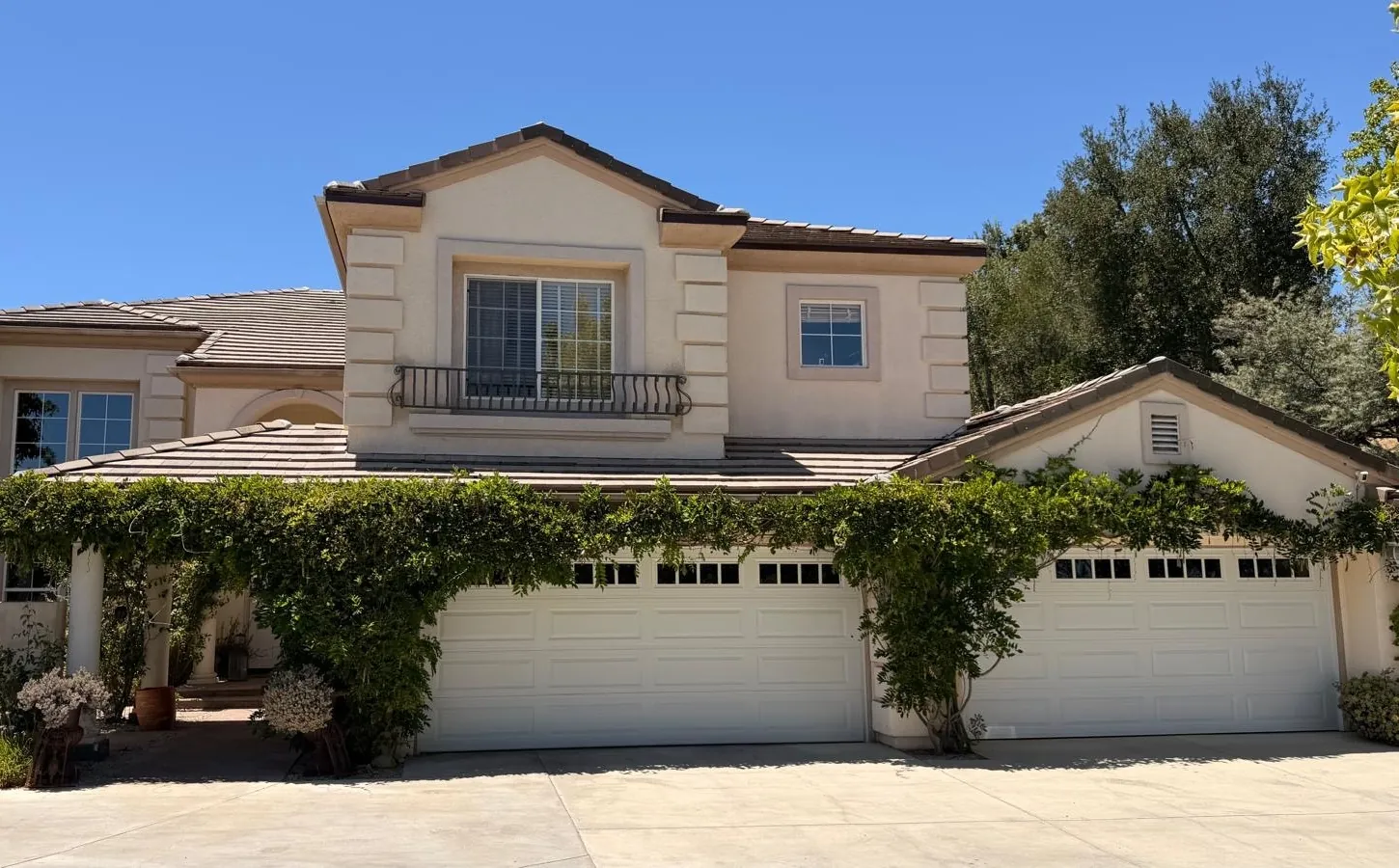
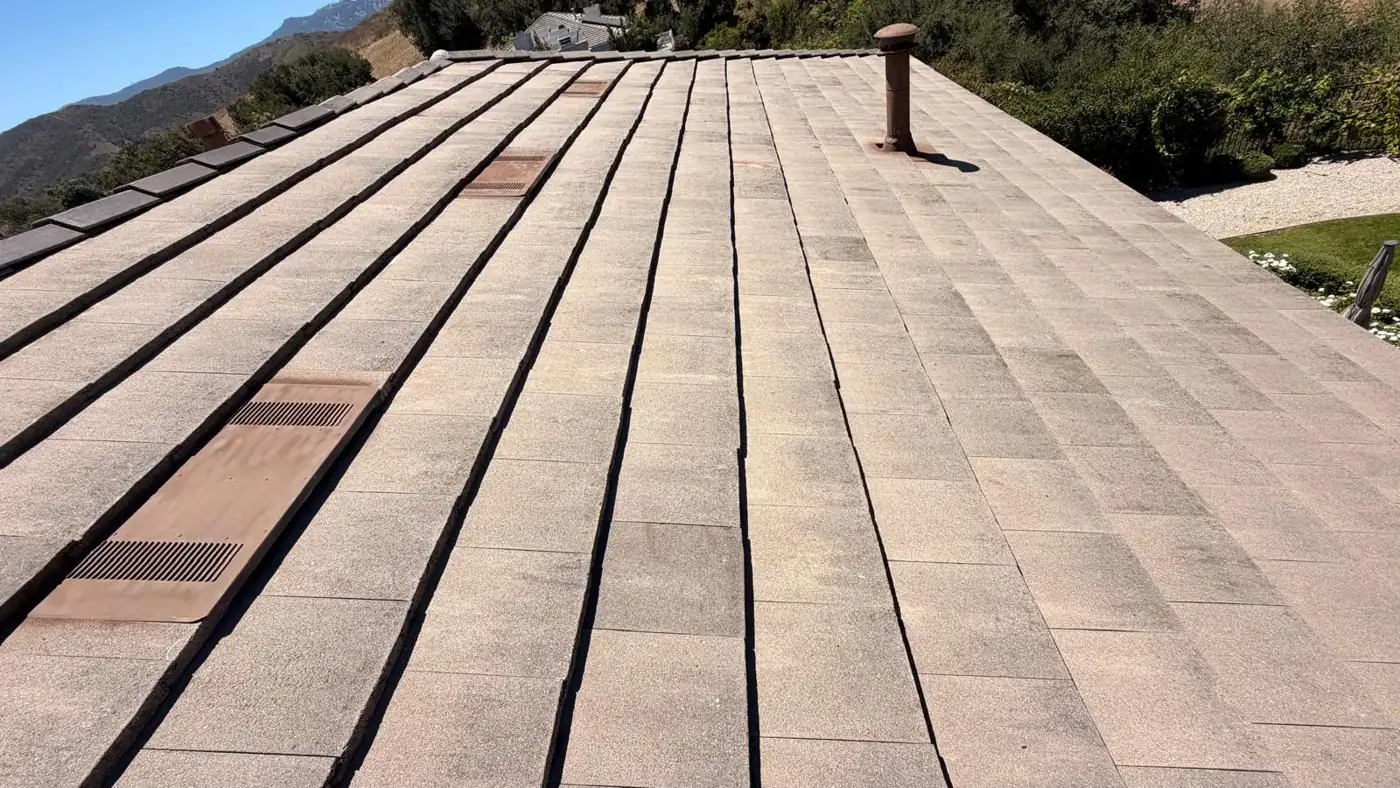
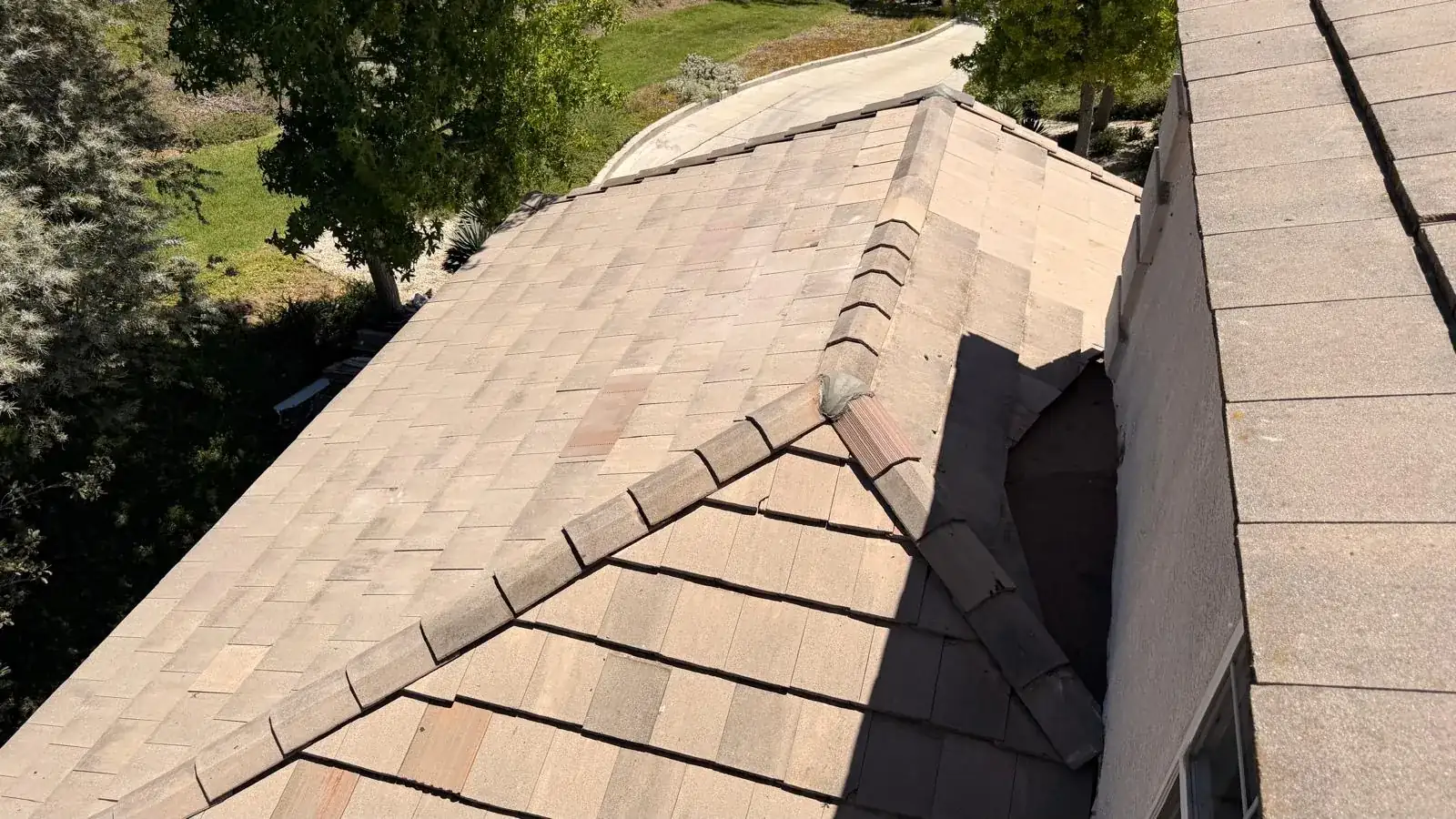
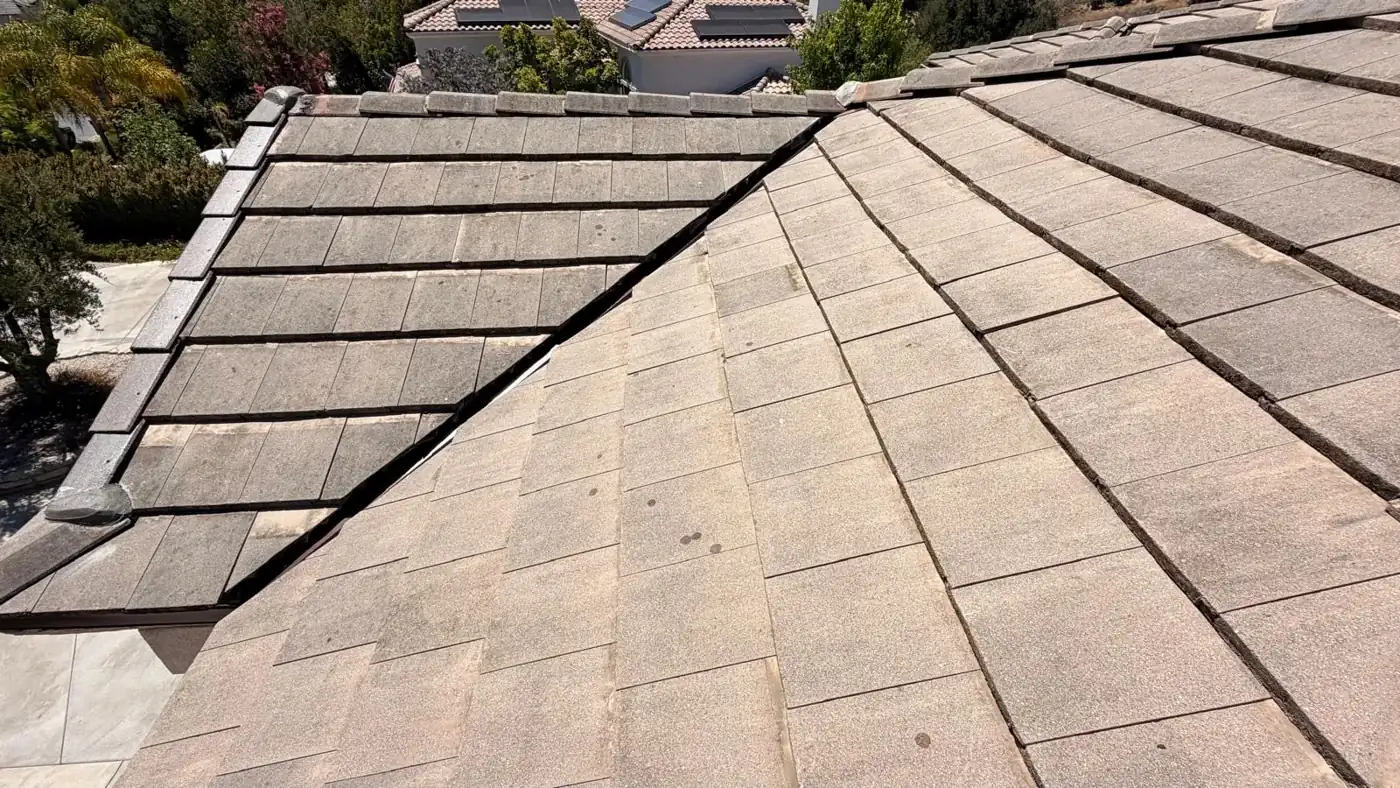
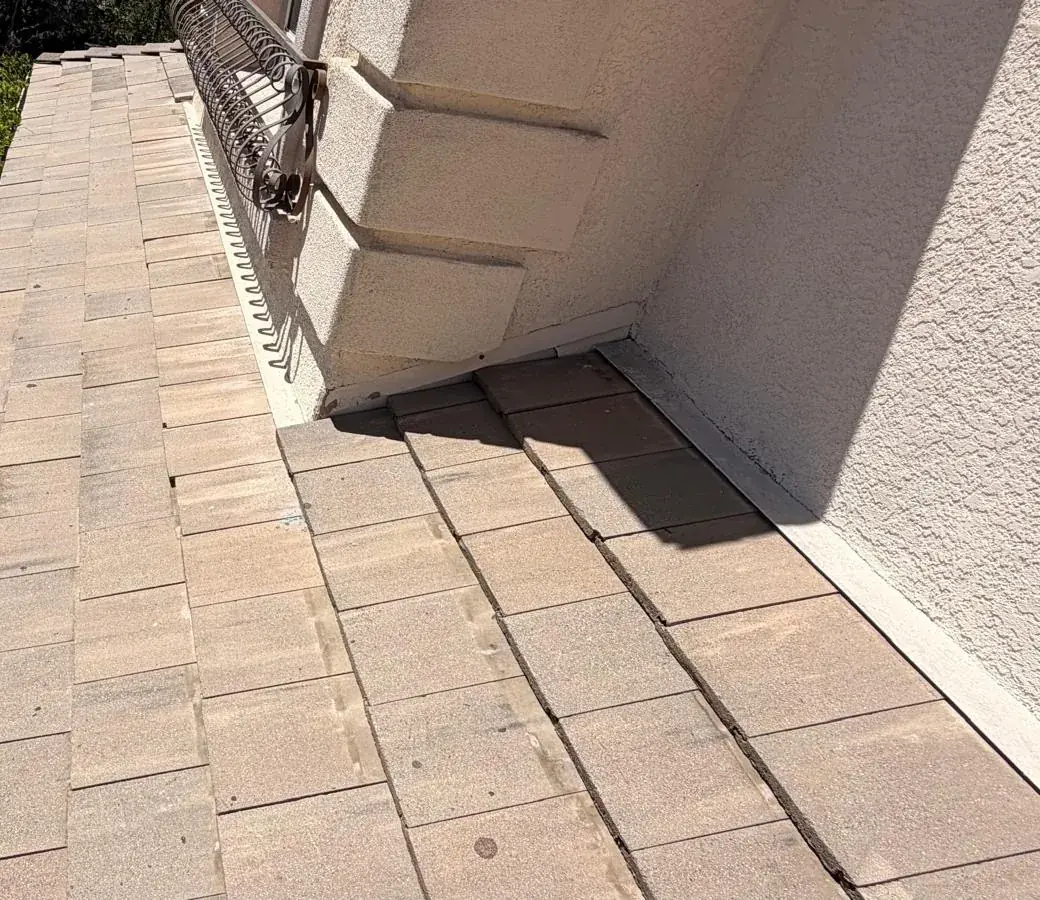
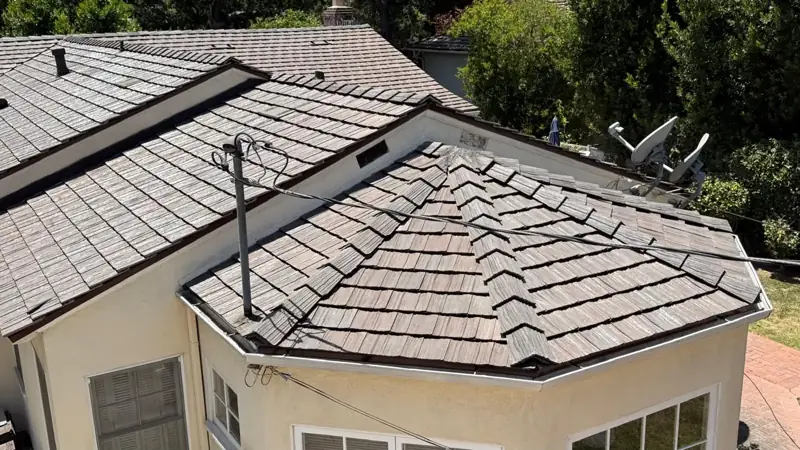
Some tiles always break when they come off a roof, so we bought new ones to fill in. Then we were careful about where they went. The original tiles went back on the slopes you see from the street. The new ones went on the back and side, where nobody notices the color difference. The roof looks the same from the curb, with brand-new waterproofing underneath.
Re-Felt Or Full Tile Replacement?
| Tile re-felt | New tile roof | |
|---|---|---|
| What gets replaced | The waterproof layer and any damaged wood | The tiles and everything under them |
| How it looks from the street | Same as before | New color and style |
| Best when | The tiles are fine, but the layer under them is worn out | Lots of tiles are cracked, or you want a new look |
| Broken tiles | New ones go where they won't show | Not an issue |
If your tiles are still solid and the leaks keep moving around, a re-felt is usually the better choice. We did the same on a single-story tile re-felt in Burbank, where debris trapped behind the old battens had rotted the roof edges. If many tiles are cracked or your style isn't made anymore, a new tile roof can make more sense. We'll tell you which one we'd pick for your roof, and why.
Have A Tile Roof That Keeps Leaking?
We re-felt and repair clay and concrete tile roofs across the San Fernando Valley, including Agoura Hills and nearby cities like Calabasas and Woodland Hills. If a patch hasn't held, see our roof and leak repair service or book a free estimate. We'll check your roof and tell you whether a repair or a re-felt makes sense.
Roofing Terms On This Page
Plain-English meanings of the trade terms used above.
- Re-felt
- Taking the tiles off, replacing the worn layer under them, and putting the same tiles back.
- Underlayment
- The waterproof layer under the tiles. It stops the water that gets past them.
- Roof deck
- The wood base the whole roof is built on.
- Cap sheet
- A thick, fire-resistant roofing sheet. Under tile, it adds a fire-safe, waterproof layer.
- Class A fire rating
- The highest fire-safety rating a roof can get.
- Very High Fire Hazard Severity Zone
- California's top wildfire-risk rating. Homes there have stricter building rules.
- Valley
- The inside corner where two roof slopes meet. Rainwater collects there, so it's a common leak spot.
More Project Photos
Tap any photo to see it larger.
During The Job 3
After 8